
Women and Society · Bahrain 2018

What can a university do for women’s leadership? A conference in Bahrain asked.

In April 2018 the Royal University for Women held its second Women and Society conference with us. Under the patronage of Bahrain’s Minister of Education, researchers, educators, students and international partners spent two days on one question: how higher education can support women’s leadership and participation in society.

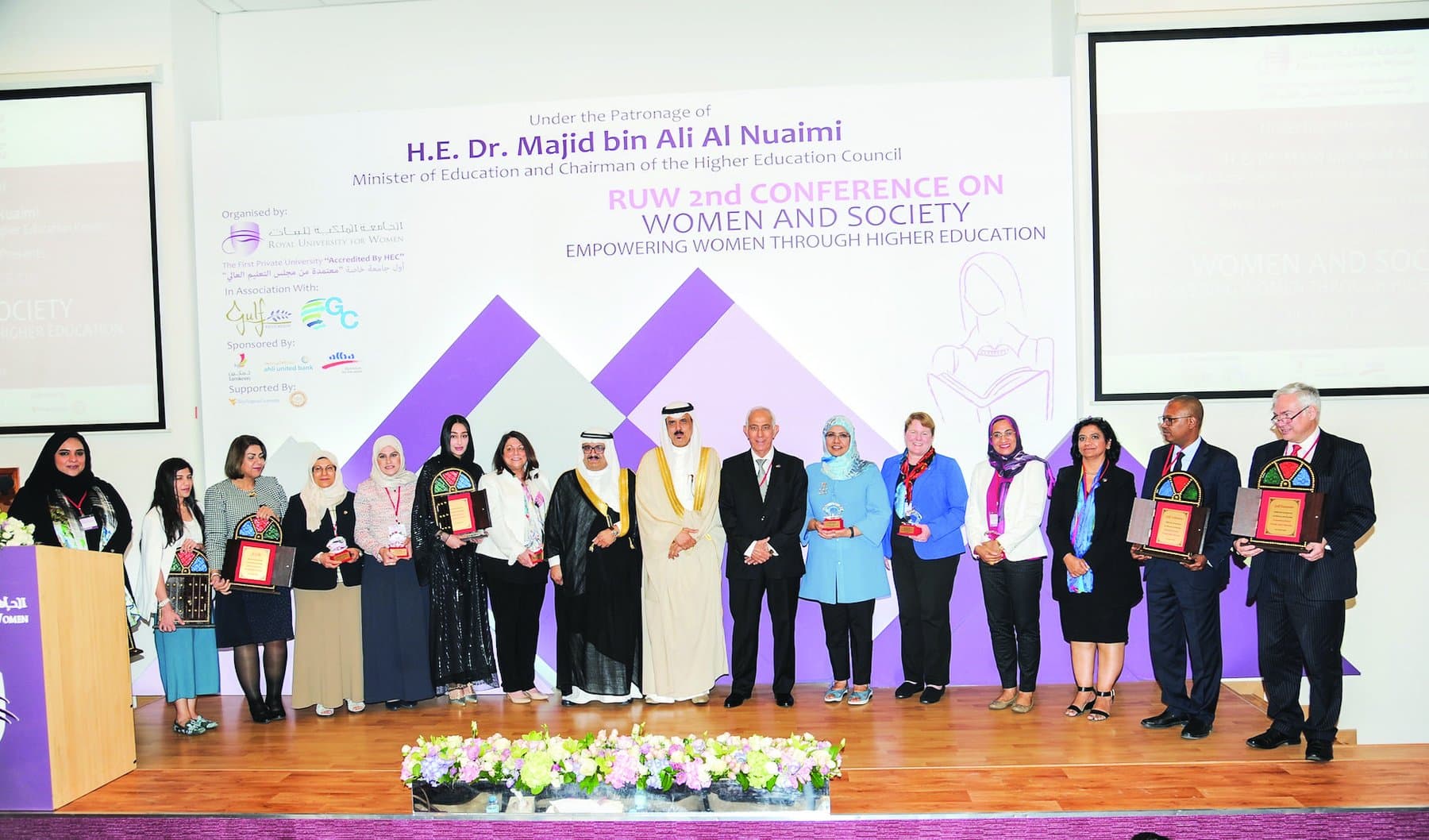
A row of speakers and guests holding awards on a stage beneath the conference banner.
Speakers and guests on stage at the opening of RUW’s second Women and Society conference, 18 April 2018. · Royal University for Women, conference report
Host
Royal University for Women (RUW), Bahrain
Where
Riffa, Bahrain
When
18–19 April 2018
Patron
Dr Majid bin Ali Al Nuaimi, Bahrain’s Minister of Education
Our role
Conference partner; David Lock introduced the themes and chaired

The question

How can higher education open more doors for women?

For its second Women and Society conference, the Royal University for Women (RUW) put one question at the centre: how higher education can support women’s leadership, employment and participation in society.

RUW announced in November 2017 that it was preparing the conference in collaboration with Gulf Conferences.

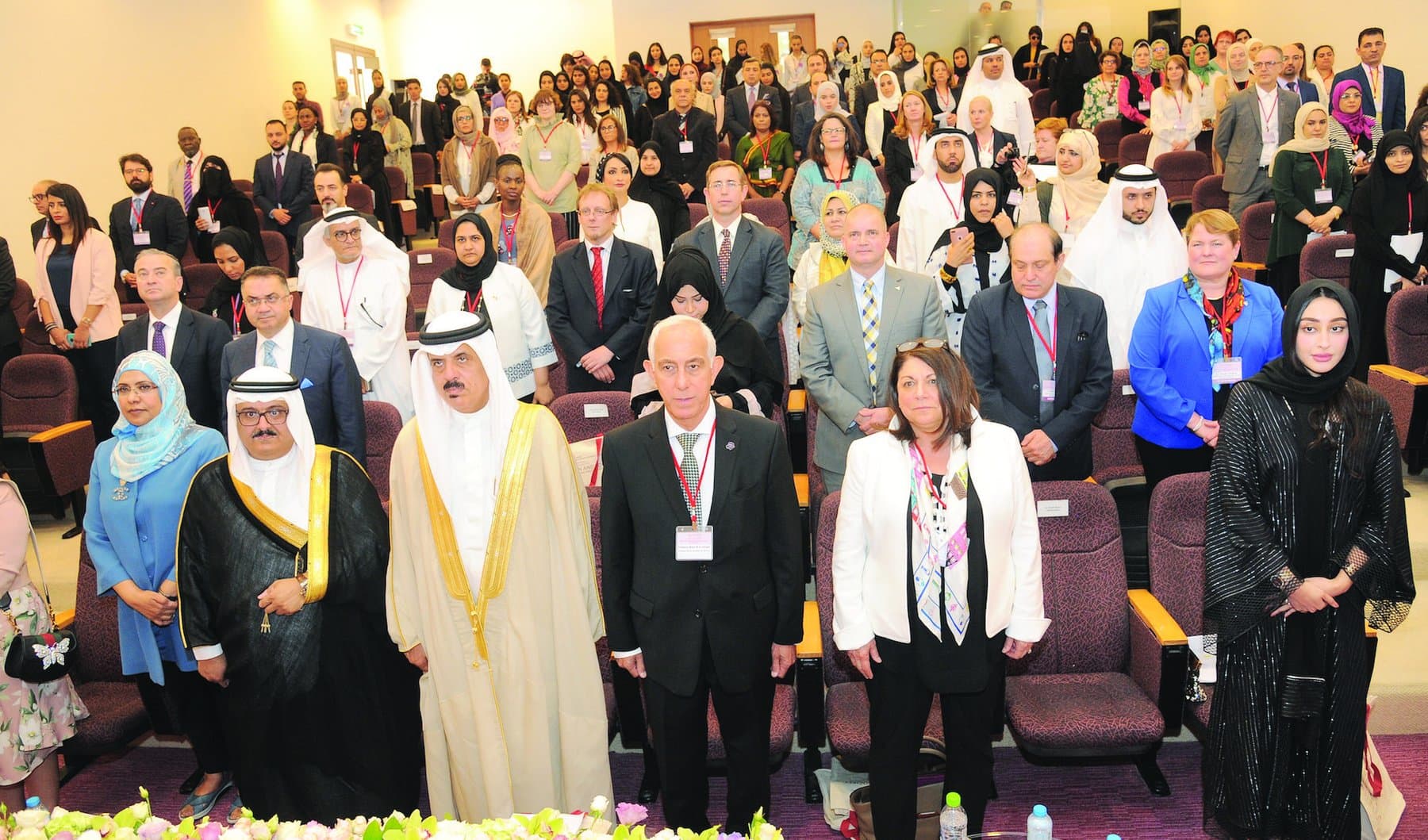
A full auditorium of guests standing for the opening of the conference.
Guests at the opening session, 18 April 2018. · Royal University for Women, conference report

The programme

Two days, from plenary to poster.

The conference moved from big-picture discussion to research and practice.

  1. November 2017

    Announced

    RUW announces its second Women and Society conference, in collaboration with Gulf Conferences.

  2. 18 April 2018

    Day one: the big picture

    Invited speakers on international perspectives and the role of universities, with a delegation from West Virginia University.

  3. 19 April 2018

    Day two: research and practice

    Workshops, parallel research presentations and student posters, including researchers from Dar Al-Hekma University.

Every discipline at the table

From legal education to STEM, art and design.

Topics ran from gender equality and legal education to STEM, entrepreneurship, and art and design. Academics, public bodies, professionals and students each had a part: senior speakers, researchers presenting their work, students exhibiting posters, and colleagues joining workshops.

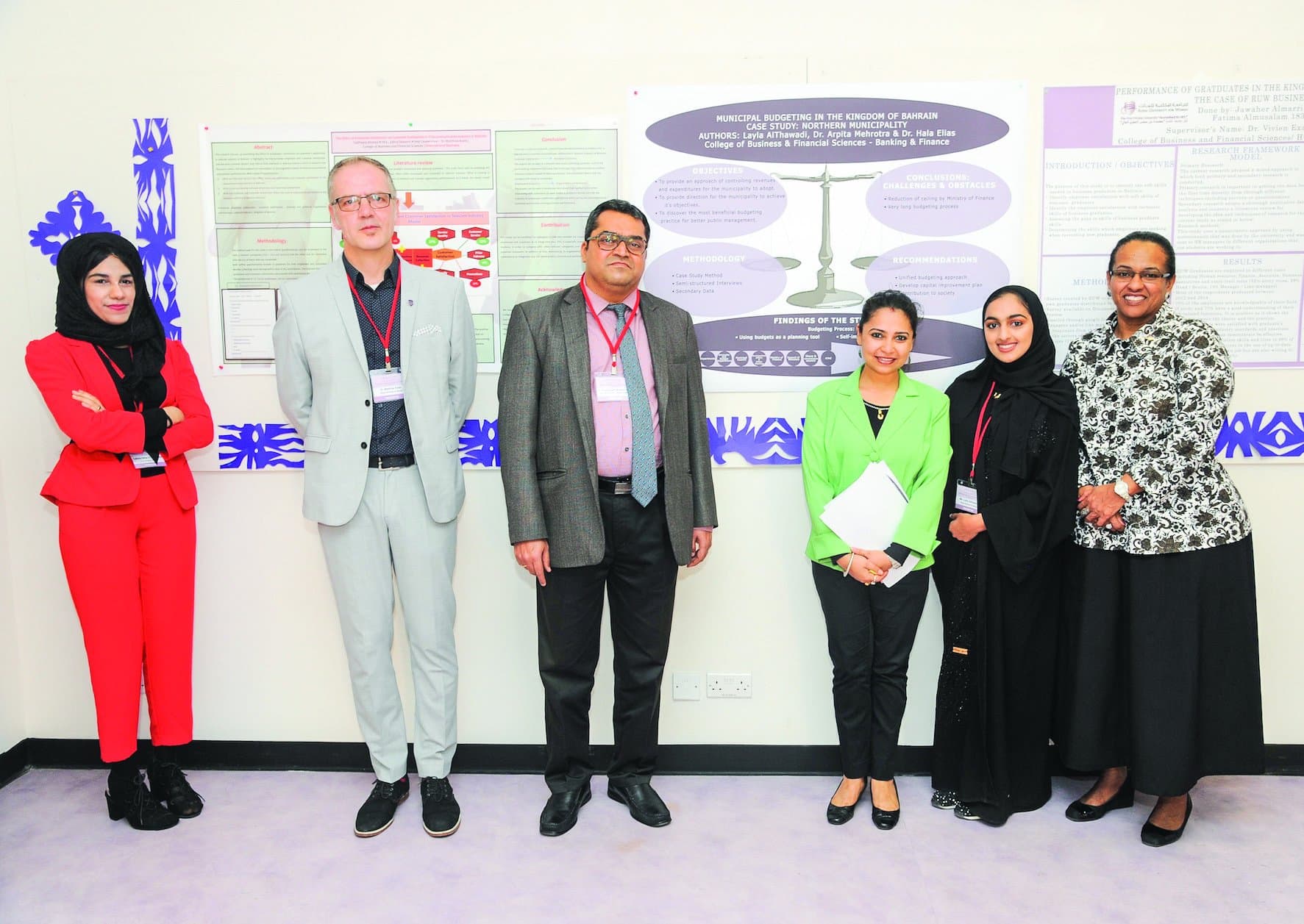
Six conference participants stand in front of a research poster display.
Researchers beside a research poster on day two, 19 April 2018. · Royal University for Women, conference report

Our role

Setting the agenda and chairing the conversation.

Our Education Director, David Lock, opened the programme by introducing the conference themes, and chaired the event.

In his published reflection he urged participants to take the discussions home to their own universities: develop leadership, prepare students for employment, and decide which institutional practices should change. In the conference report, RUW’s president thanked him for his cooperation and support.

Inside the conference

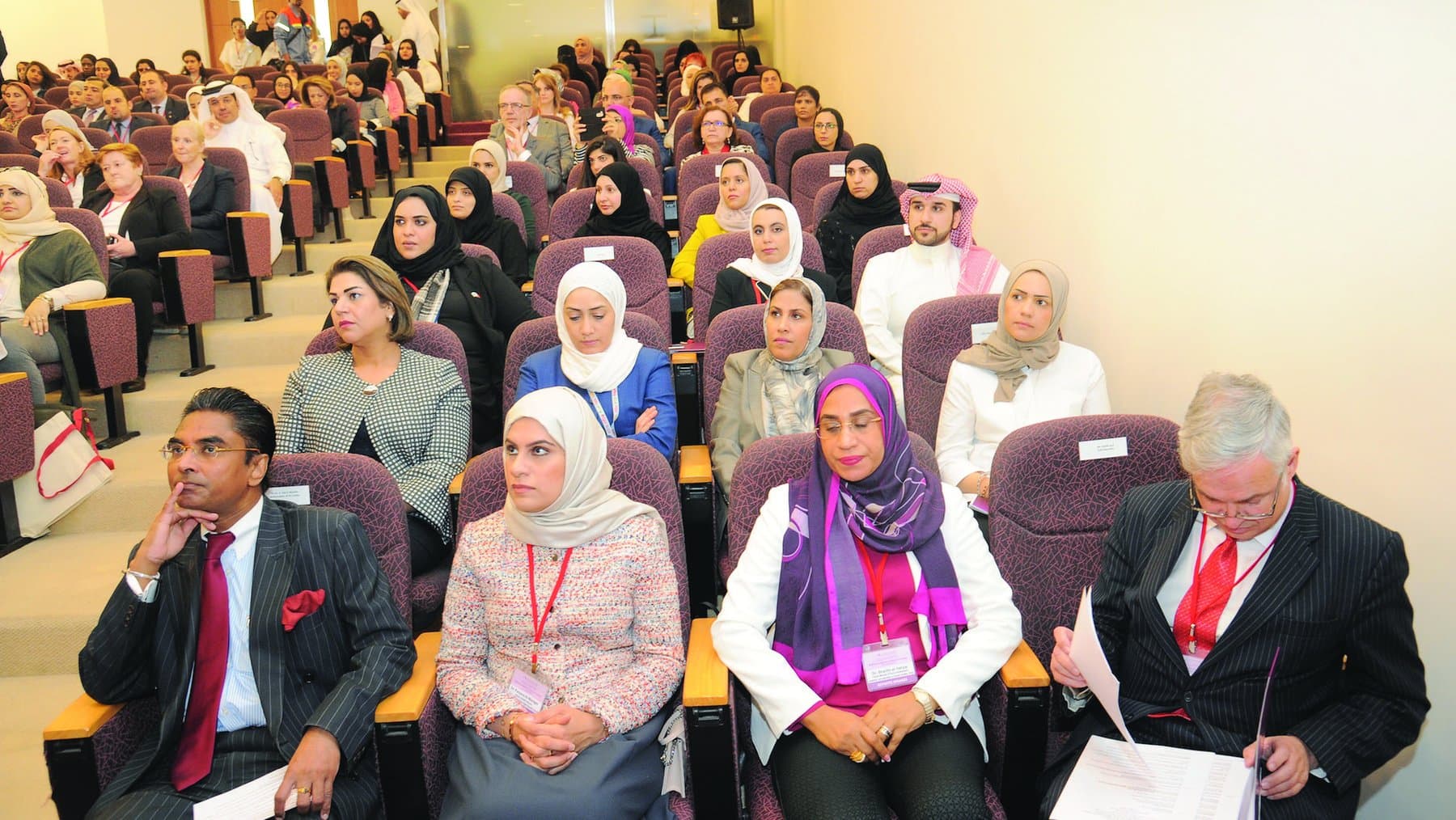
Conference delegates seated in a lecture theatre.
The audience on day one, 18 April 2018. · Royal University for Women, conference report
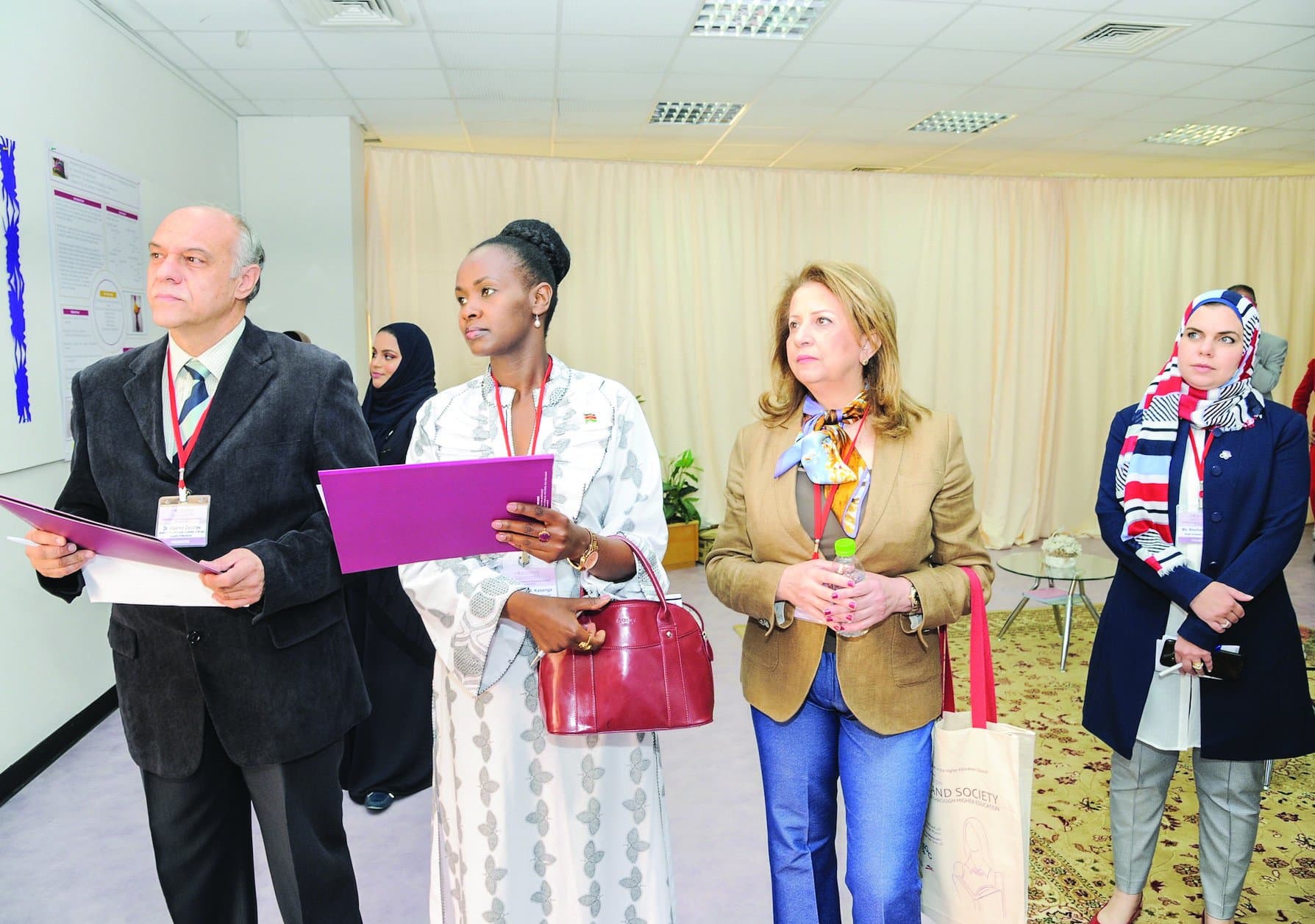
Four participants, two holding certificate folders, in a conference room.
Participants at the day-two sessions, 19 April 2018. · Royal University for Women, conference report
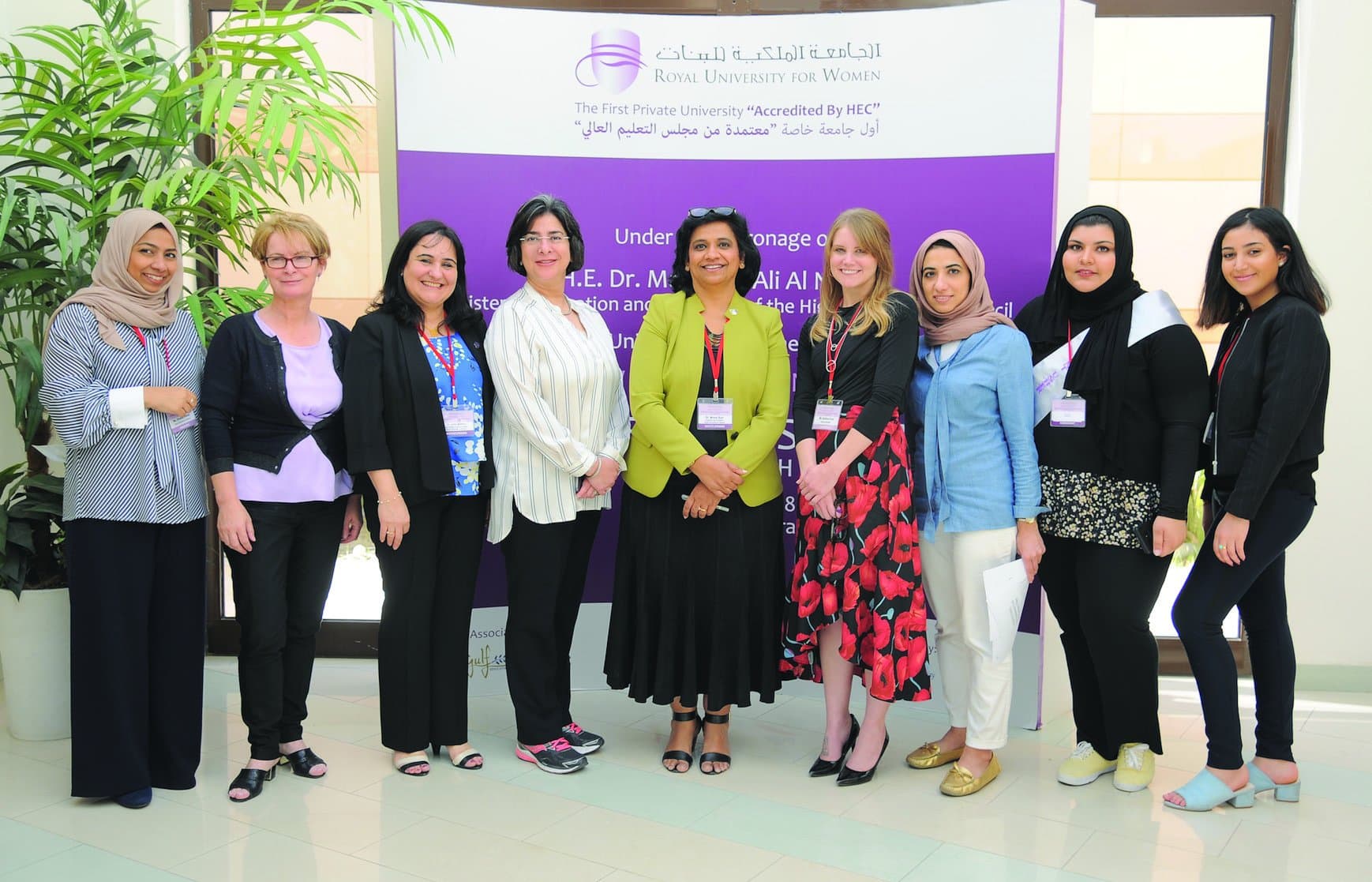
A group of women presenters stands in front of the conference banner.
Presenters and participants on day two, 19 April 2018. · Royal University for Women, conference report

Why it matters

What this means for a university.

A conference built around one shared question gives everyone a way in, from senior leaders to students presenting their first research.

If your university wants to convene a conversation like this, tell us the question you want to ask.

On the record

The programme, the speakers and our role are documented in RUW’s own conference report and announcement. Longer-term changes in women’s employment or leadership would need separate evidence.

Develop an international university relationship

Tell us about the institutions and academic priorities you want to connect.

Explore partnership development